Atlas Copco Industrial Rotary Screw Air Compressors
What is the Function of an Atlas Copco Rotary Screw Air Compressor?
The primary function of this machine is to convert ambient air into highly pressurized, high-volume compressed air to drive industrial tools and manufacturing lines. Traditional piston (reciprocating) compressors rely on up-and-down valve movements that cause loud noise, extreme vibrations, and discontinuous air pockets.
In contrast, Atlas Copco's rotary screw mechanism utilizes two interlocking, counter-rotating male and female helical rotors (screws). As air enters the unit, it gets trapped between these two large spinning screws. As they rotate, the physical space between the threads continuously shrinks, smoothly compressing the air and forcing it into a stable, continuous discharge line. This premium engineering enables a 100% duty cycle, meaning the compressor can run at maximum capacity 24 hours a day, 7 days a week, without needing regular downtime to cool off.
Advanced Engineering Features
-
Integrated Variable Speed Drive (VSD): Standard fixed-speed compressors draw maximum power even when air demand drops. Atlas Copco VSD technology continuously monitors air line pressures and instantly scales motor speed up or down to match your exact real-time factory demand. This completely cuts out idle running waste and lowers utility costs by up to 60%.
-
Acoustic Noise Control: Operating quietly at around 60 dBA, these sleek enclosed cabinets eliminate noisy work environments and can be safely installed directly onto production floors close to operators.
-
Minimized Friction & Wear: Because the spinning rotors never physically scrape against each other, mechanical wear is minimal. This results in fewer breakdowns, simple maintenance schedules, and an operational lifespan that far outlasts typical piston units.
Strategic Importance Across Bangladesh
1. Private Sector Garments (RMG), Green Textile Mills & Plastics
In Bangladesh’s competitive Ready-Made Garment (RMG) factories, spinning plants, and packaging mills, clean, steady compressed air is considered the "fourth utility" keeping production lines running.
-
Powering Automation: From precision fabric cutters and automated sewing tables to pneumatic actuators, color sorters, and high-speed labeling machinery, drops in air pressure cause material ruin and costly downtime.
-
Clearing Green Audits: International clothing brands prioritize apparel groups that invest in eco-friendly, low-carbon facilities. Installing an Atlas Copco VSD screw compressor helps factories hit energy-efficiency milestones and claim top points in USGBC LEED audits.
2. Government Institutes, Public Infrastructure & Power Plants
State-run infrastructure projects—including massive water treatment networks, railway workshops, chemical labs, and national power generation plants—depend on robust utility machinery.
-
Non-Stop Public Utility Infrastructure: State utility complexes require stable, continuous equipment where mechanical failure can halt vital services. The heavy-duty layout of the rotary screw ensures uninterrupted backup.
-
Lowering Public Expenses: Cutting down on frequent maintenance and cutting energy usage allows public institutes to effectively optimize taxpayer-funded utility budgets over years of operation.
Why Buy From Diganta Machinery?
Procuring high-value industrial machinery like an Atlas Copco compressor requires a trusted, technically capable local partner. Diganta Machinery brings decades of expertise directly to your facility:
-
100% Authentic Imports: We supply authentic Atlas Copco systems sourced through verified global channels, ensuring you receive genuine machines complete with original manufacturer warranties.
-
Turnkey Engineering & Technical Setup: Our engineering team doesn't just deliver a box; we handle the complete layout—from calculating air demand (CFM) to installing optimal pipe networks and tuning VSD parameters for your floor.
-
Localized Corporate Compliance: Located conveniently in Uttara, Dhaka, we provide fully documented commercial quotes and invoicing in Bangladeshi Taka (BDT) with transparent corporate tax processing.
-
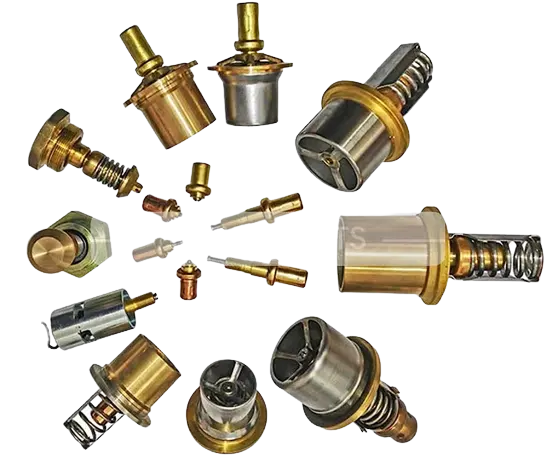
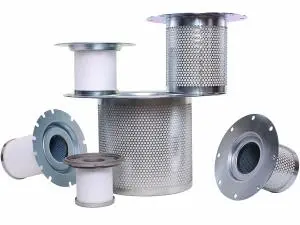
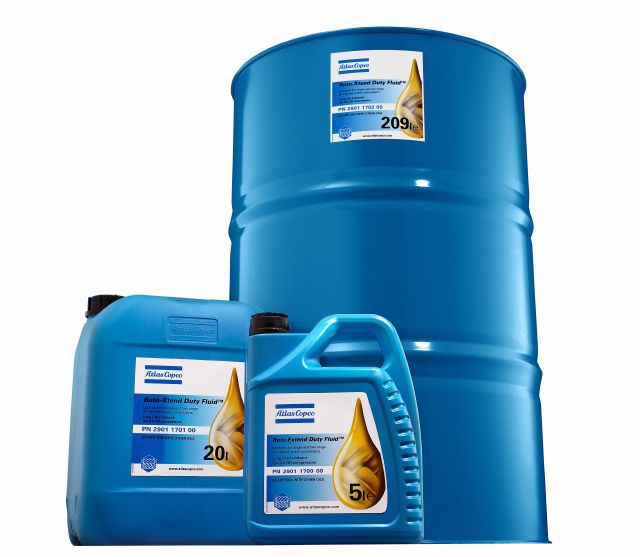
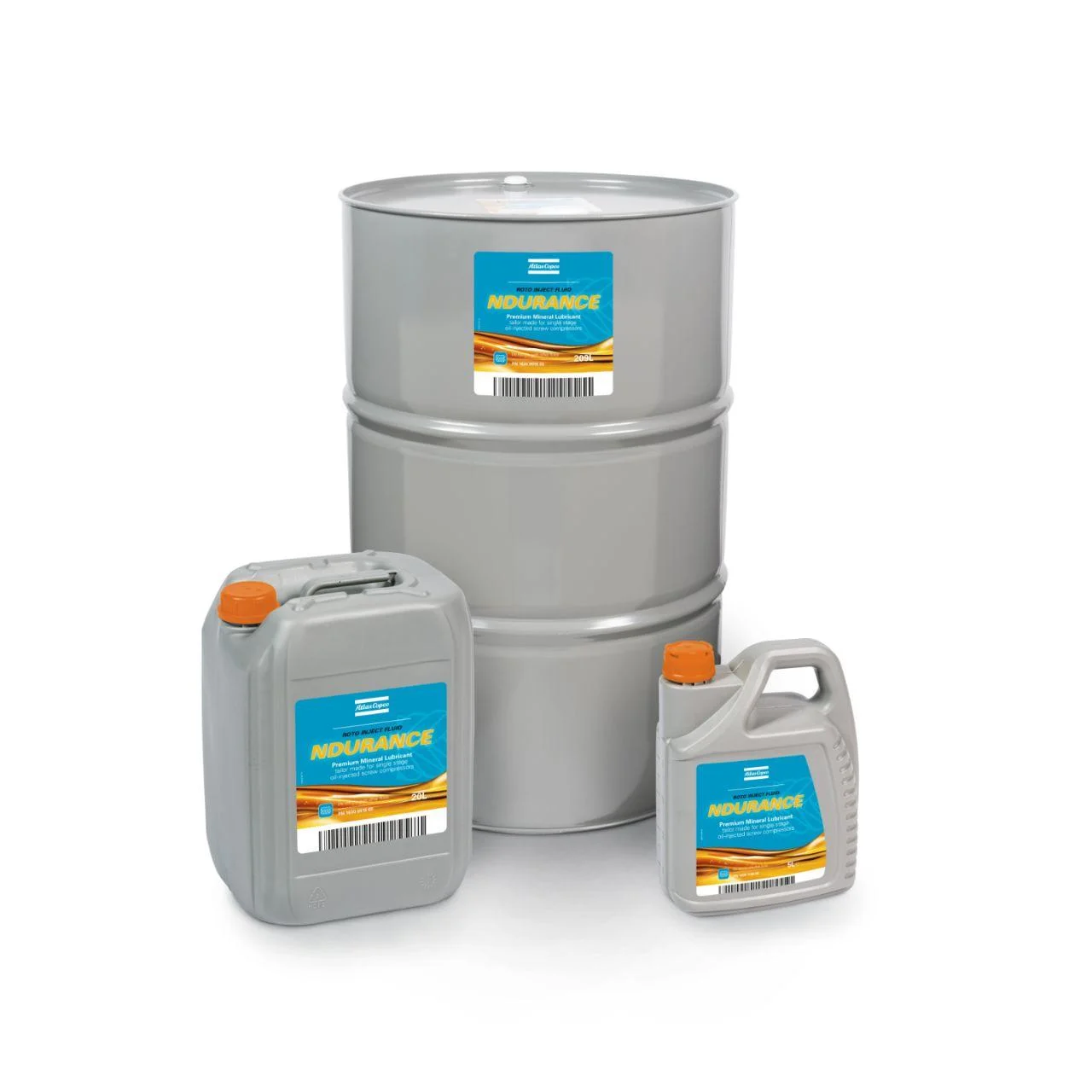
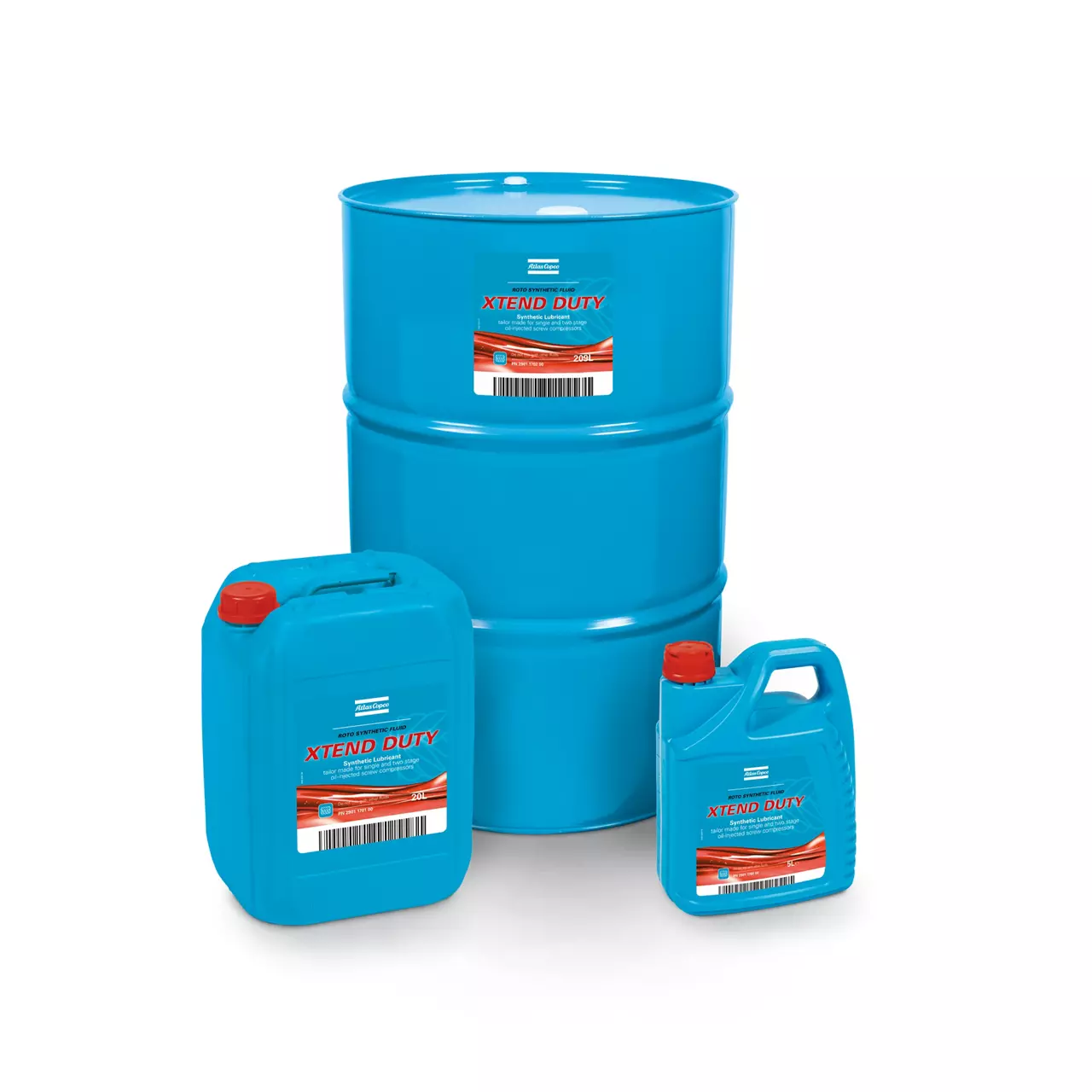
Rapid Spare Parts Support: We keep a local inventory of original Atlas Copco filters, oil separators, and lubricants to handle preventative servicing without waiting on international shipping delays.
Contact Us for a Quotation
Equip your facility with world-class energy efficiency and non-stop operational security. Get in touch with our commercial sales desk in Dhaka today for a personalized technical quote tailored to your production lines.
-
Head Office Address: Road-32, Uttara, Dhaka 1230, Bangladesh
-
Sales Hotlines: 01711657207
-
Email Support: digantamachinery@gmail.com
-
Online Web Portal: www.digantamachinery.com
Frequently Asked Questions (FAQs)
Q1: Why should I install a rotary screw compressor instead of a cheaper piston model for my factory in Bangladesh?
Ans: While a piston compressor has a lower upfront cost, it is loud, vibrates heavily, and must stop regularly to cool down. If forced to run continuously, it will quickly overheat and experience mechanical failure. An Atlas Copco rotary screw compressor is custom-built for continuous 24/7 industrial use, works quietly at 60 dBA, and uses far less energy, making it a much cheaper and more reliable investment over time.
Q2: How exactly does VSD technology save my company money on electricity bills?
Ans: Traditional compressors operate at full speed even when your machines only need 30% or 40% capacity. Atlas Copco Variable Speed Drive (VSD) technology automatically tracks real-time pressure changes and drops the motor speed down to match your exact tool usage, lowering energy consumption by up to 60%.
Q3: Can Atlas Copco screw compressors handle the high heat and humidity of Bangladesh?
Ans: Yes. Atlas Copco systems are built with heavy-duty cooling fans, oil separators, and high-efficiency heat exchangers designed specifically to handle hot, humid tropical climates without overheating or degrading performance.
Q4: How often does an Atlas Copco rotary screw compressor require scheduled servicing?
Ans: Generally, basic maintenance—such as changing air filters, fluid lines, and oil filters—is done every 2,000 to 4,000 running hours, depending on how dusty your factory floor is. The intelligent onboard control panel provides automated reminders when a routine check is due.